H.R. 9724, The End Birthright Citizenship for Territories Act
The End Birthright Citizenship for Territories Act

I never imagined I'd ever have to defend my own birthright, but Congress is now considering legislation that would end birthright citizenship in America's territories for future generations with H.R. 9724.
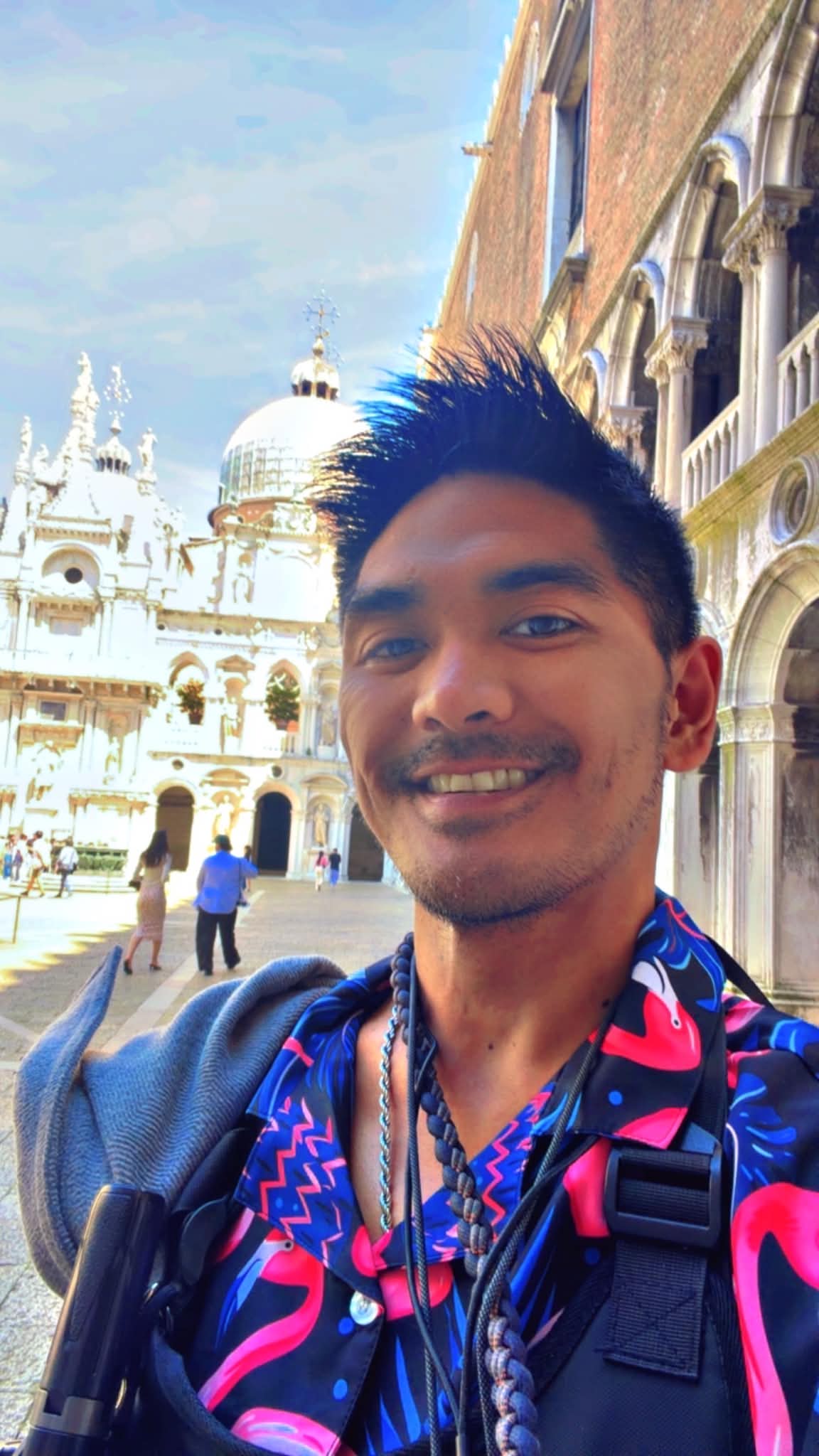
As the child of two overseas Filipino workers who was born and raised on Saipan during the CNMI Guest Worker Program, this debate feels deeply personal to me, even though the bill technically wouldn't affect my own citizenship because it would apply only to children born after January 1, 2027. My next immediate thought is that this proposal would be a direct violation of the Covenant, specifically Article III, Section 303, which guarantees that all persons born in the Commonwealth of the Northern Mariana Islands are citizens of the United States at birth. The Covenant is not merely a policy preference. It is the foundational agreement governing the political relationship between the CNMI and the United States. Congress should not be casually discarding one of its core guarantees by amending it to eliminate birthright citizenship.
Beyond the legal issues, I believe this would be a tremendous slap in the face to every active duty service member from the U.S. territories currently serving in our Armed Forces, every veteran who has already served, and especially the thousands of sons and daughters of the territories who never came home after being sent to fight America's forever wars.
The territories have historically enlisted at some of the highest per capita rates in the nation. Recruiters have long targeted low-income and small island communities, offering military service as a path to higher education, healthcare, career opportunities, and a chance to see the world beyond our islands. To now suggest that future generations born in those same territories should not automatically be recognized as American citizens is both contradictory and deeply disrespectful to those who have sacrificed so much in service to this country.
Another concern is the long-term impact this could have on communities like the CNMI.
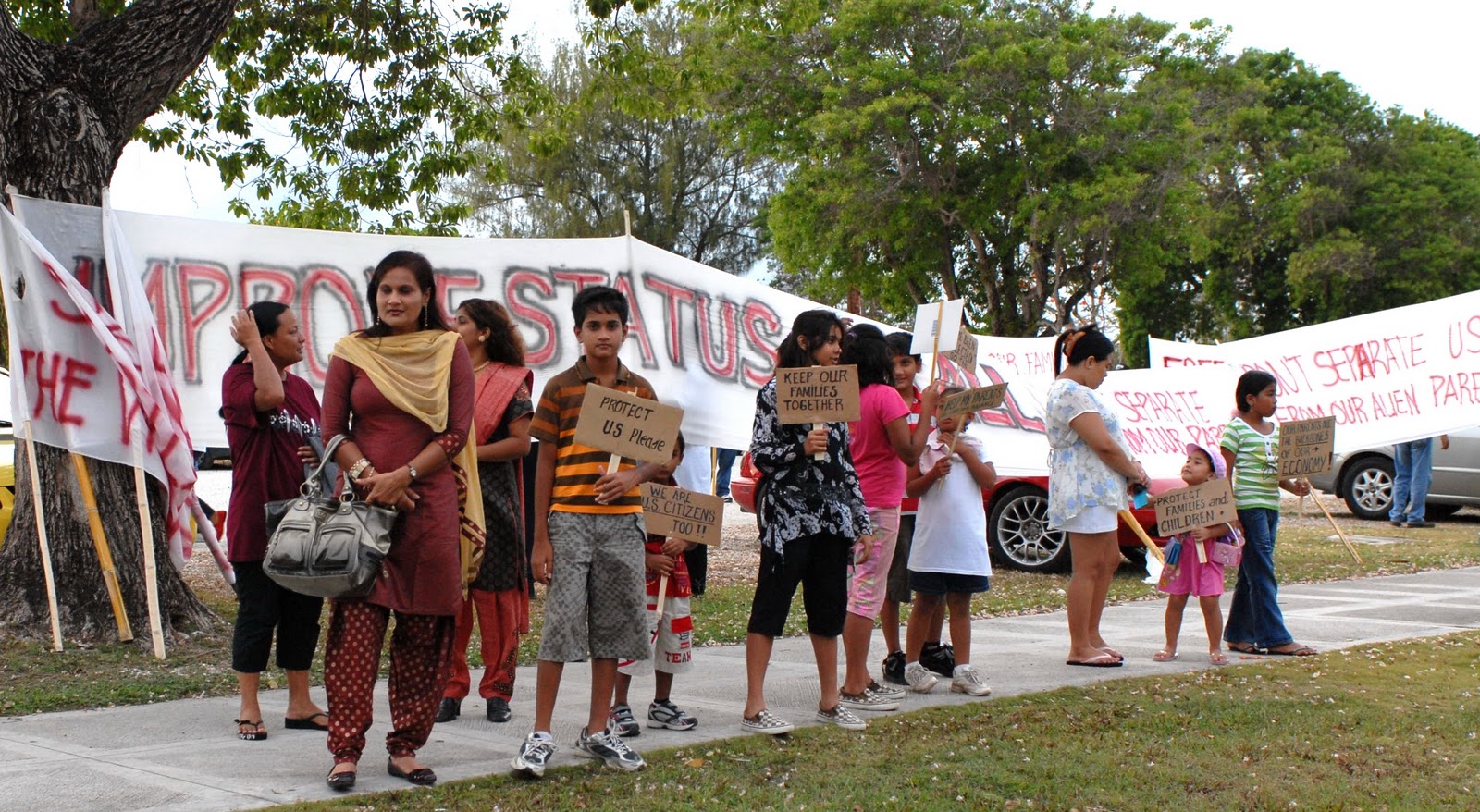
As you probably know from reading my book Shadows in Paradise: The Dark History of the CNMI Guest Worker Program, the CNMI has relied heavily on imported foreign labor since the creation of the Guest Worker Program in 1983, and continues to do so today through the federal CW program despite so many promises over the years that we would transition to a fully local workforce and end our reliance on "guest" workers. There are people currently living and working legally in the CNMI who have spent decades contributing to our economy without any realistic pathway to permanent residency or citizenship. During that time, many have naturally fallen in love, gotten married, and started families.
If birthright citizenship in the territories were eliminated, it is not difficult to imagine that 10 or 20 years later an entire generation of children could be born in the CNMI with no permanent legal status of their own. Like their parents, they could grow up without a meaningful voice in the community they have always called home. They would be unable to vote, uncertain of their future, and treated as perpetual outsiders despite being born and raised there.
In effect, we would be creating a second generation of second-class residents, children whose entire lives begin with institutional exclusion. It is difficult to imagine that those children would grow up feeling the same sense of belonging or loyalty to the CNMI that previous generations have felt when their lived experience is one of constant othering from birth.
I genuinely believe that if legislation like this were enacted, it would accelerate the CNMI's long-term decline unless our local government, alongside the other U.S. territories, aggressively pushed for its repeal. A significant portion of our community today consists of the children of foreign workers, or families closely connected to them. Had such a policy existed decades ago, tens of thousands of us could easily have been the very people growing up in that uncertain legal limbo.
Despite the many shortcomings of the federal government, the darker chapters of American history, and my concerns about the country's current political trajectory, I remain profoundly grateful that I was born on Saipan in the late 1980s as a United States citizen. For most of my life, being an American was my primary identity, and I was proud of it.
That is why I find it both astonishing and deeply troubling that Congress is seriously considering legislation like this today.
Everyone in the territories should be paying close attention. We need to be talking about this publicly, educating our communities about what is at stake, and urging our elected officials in the CNMI to oppose any effort that undermines the promises made in the Covenant when our people agreed to become a Commonwealth of the United States.
If we wait until it becomes law, we may find ourselves fighting to restore rights that never should have been threatened in the first place.
Home is not measured solely by ancestry or the circumstances of one's birth. It is measured by love, sacrifice, commitment, and the willingness to invest your life in a place and its people. The strongest CNMI we can build is one where everyone who genuinely calls our islands home has the opportunity to truly belong, contribute, and help shape our shared future. Prosperity has never grown from exclusion. It has always grown from community.
That future is still ours to choose. If we believe the CNMI is strongest when people who love our islands have the opportunity to belong, then now is the time to speak up. Contact your elected officials. Talk to your neighbors. Learn what is being proposed. Remember that Federalization was proposed as a good thing, but conditions in the CNMI have not gotten better since the federal takeover.